
Vitality Starts With What You Eat
Discover how optimal nutrition empowers older men to maintain strength, energy, and independence. Evidence-based guidance for nourishing your body at every stage of life.
The information on this site is for educational purposes only and does not constitute medical advice. Always consult a qualified healthcare professional before making health decisions.
Why Nutrition Matters More After 50
As men age, nutritional needs shift in ways many don't anticipate. Metabolism slows, muscle mass naturally declines, and nutrient absorption becomes less efficient. What worked in your thirties won't support your sixties with the same vigor.
Strategic nutrition becomes one of the most powerful tools to combat these changes. Adequate protein preserves muscle, calcium and vitamin D maintain bone density, and carefully chosen fats support brain health and energy production.
The research is clear: men who prioritize nutrient-dense eating maintain better strength, cognitive function, and independence well into their later years. This isn't about restriction—it's about eating smarter.
- Preserve and rebuild lean muscle mass
- Maintain bone strength and joint mobility
- Support heart and brain health
- Sustain energy levels throughout the day

Essential Nutrients for Aging Men
Protein
Muscle loss accelerates after 50. Older men need 1.2 to 1.6 grams of protein per kilogram of body weight daily. Prioritize lean meats, fish, eggs, legumes, and dairy to maintain strength and independence.
Calcium & Vitamin D
Bone density declines significantly in later years. Calcium from dairy, leafy greens, and fortified foods combines with vitamin D (sunlight, fatty fish, supplements) to keep bones strong and reduce fracture risk.
Omega-3 Fatty Acids
Support cardiovascular and cognitive health. Fatty fish like salmon, mackerel, and sardines deliver EPA and DHA. Plant sources include flaxseeds and walnuts for men avoiding fish.
B Vitamins
B6, B12, and folate maintain nerve function and cognitive sharpness. Absorption decreases with age, so focus on fortified cereals, meat, eggs, and consider supplementation if recommended.
Fiber
Supports digestive health and stable blood sugar. Whole grains, vegetables, fruits, and legumes deliver both soluble and insoluble fiber—crucial as digestive efficiency changes with age.
Antioxidants
Vitamins C and E, selenium, and polyphenols combat oxidative stress. Colorful vegetables, berries, nuts, and olive oil provide these protective compounds essential for long-term vitality.
Common Questions Answered
How much protein should older men consume daily?
Research recommends 1.2 to 1.6 grams of protein per kilogram of body weight for men over 50. For a 75-kilogram man, this means approximately 90 to 120 grams daily. Spread protein across meals—breakfast, lunch, and dinner—rather than consuming it all at once, as this supports better muscle protein synthesis throughout the day.
Can men over 60 build muscle with proper nutrition?
Yes. Adequate protein, combined with resistance exercise, remains effective for building and maintaining muscle well into the seventies and beyond. Older men may need slightly higher protein intake and should ensure consistent resistance training twice weekly. Recovery takes longer, so adequate sleep and hydration are equally important as nutritional content.
Should older men take vitamin and mineral supplements?
This depends on individual circumstances. Vitamin B12 absorption decreases with age, making supplementation or fortified foods important. Vitamin D often requires supplementation, especially in less sunny climates. Calcium needs can often be met through food, but supplements may help if dietary intake is insufficient. Consult editorial resources or a qualified professional to assess your specific needs based on blood work and diet analysis.
What role does hydration play in aging male nutrition?
Thirst sensation diminishes with age, increasing dehydration risk. Water supports nutrient transport, cognitive function, joint health, and kidney function. Older men should aim for 2 to 3 liters daily, adjusting for climate and activity. Include hydrating foods like cucumbers, melons, and soups. Monitor urine color—pale yellow indicates good hydration; dark yellow suggests increased fluid intake is needed.
How does nutrition support bone health in older men?
Calcium and vitamin D form the foundation of bone strength. Men over 50 need 1,000 to 1,200 milligrams of calcium daily and 600 to 800 IU of vitamin D. Protein also supports bone structure and prevents age-related bone loss. Additional minerals like magnesium and phosphorus contribute. Sun exposure (10-30 minutes daily) helps the body produce vitamin D naturally.
Meal Inspiration Gallery
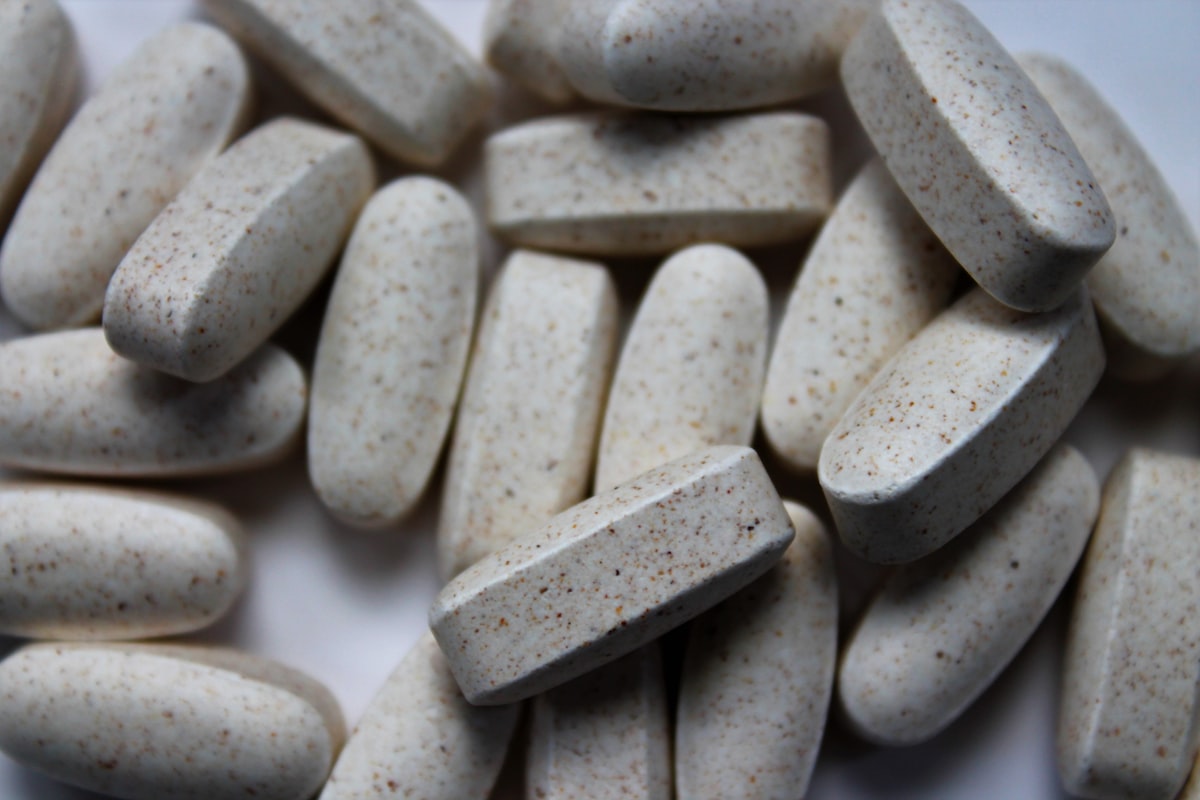
Grilled Salmon Dinner
Omega-3 rich salmon paired with roasted broccoli and quinoa. High in protein, B vitamins, and antioxidants for sustained energy and cardiovascular support.

Mediterranean Green Salad
Mixed greens, feta cheese, olives, and chickpeas with olive oil dressing. Rich in calcium, fiber, and heart-healthy fats for bone strength and digestive wellness.

Protein-Rich Breakfast
Scrambled eggs with whole-grain toast and fresh berries. Delivers complete protein, fiber, and antioxidants to jumpstart your morning with sustained energy.
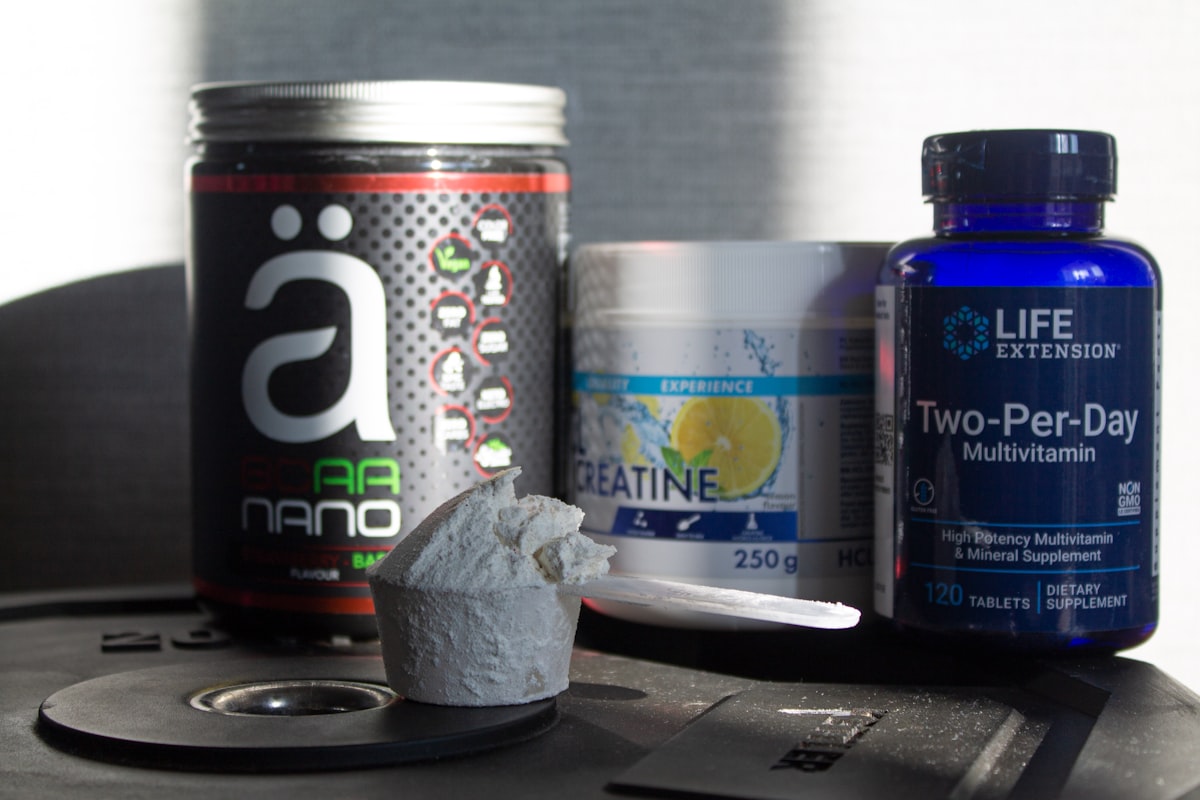
Lean Beef Stir-Fry
Grass-fed beef strips with bell peppers, broccoli, and snap peas. Packed with iron, zinc, and B vitamins for muscle maintenance and cognitive clarity.

Baked Fish & Vegetables
White fish with sweet potatoes and green beans. Low in fat, high in lean protein, potassium, and vitamin A for bone and eye health.
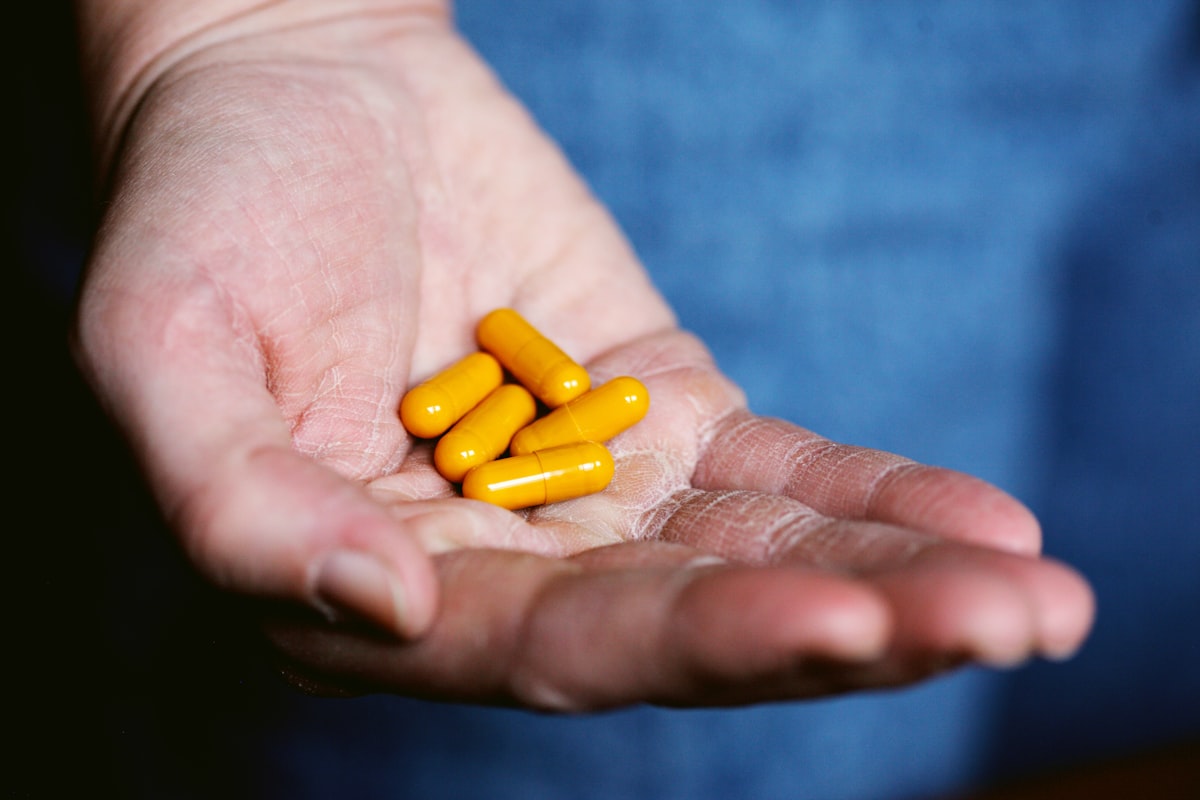
Hearty Lentil Soup
Plant-based protein from lentils with spinach and root vegetables. Excellent source of fiber, iron, and folate for digestive health and sustained fullness.
Real Stories From Real Men
I've always thought I was eating well, but after reading the articles here about protein intake for men over 60, I realized I was falling short by almost 30 grams a day. Within two months of adjusting my meals and focusing on lean proteins and vegetables, I noticed significant improvements in my energy levels and even recovered better from my weightlifting sessions. The information is practical and doesn't feel overwhelming.
Michael Torres
Jakarta
At 68, I was concerned about bone health and started researching. The guide on calcium and vitamin D for older men was eye-opening. I never realized how much my sun exposure and dairy choices mattered. I've added fortified yogurt to my breakfast, spend 20 minutes in the sun most days, and feel more confident about my bone strength. The recipes section helps me stay consistent without getting bored.
David Setiawan
Bandung
I struggled with consistent energy in the afternoon, and the articles about hydration and balanced meals completely changed my perspective. I now drink water consistently throughout the day and eat smaller, protein-rich meals. My mid-day crash is gone, and I feel mentally sharper during work. This isn't complicated nutrition advice—it's common sense backed by solid research.
Robert Handoko
Surabaya
My doctor mentioned I should pay more attention to my diet after turning 65. I found Nutrition Male Grind Pro while researching, and the comprehensive guides on omega-3s, B vitamins, and heart health gave me clarity on what to prioritize. I've replaced processed snacks with nuts and seeds, added more fish to my weekly meals, and my recent checkup showed positive changes. The practical meal ideas make healthy eating sustainable.
Hendrikus Lim
Medan
Start Your Nutrition Journey Today
Explore our comprehensive guides, recipes, and evidence-based articles designed to help older men optimize nutrition for strength, vitality, and long-term wellness. Everything you need to understand how food fuels your future.
Stay Updated With Our Latest Content
Subscribe to receive notifications about new articles, recipes, and nutrition guides for aging men.
We respect your privacy. Unsubscribe at any time. For details, see our Privacy Policy.