
Aging Well: Nutrition for Older Men
Comprehensive nutritional strategies to maintain vitality, strength, and wellbeing as you age
The information on this site is for educational purposes only and does not constitute medical advice. Always consult a qualified healthcare professional before making health decisions.
Nutritional Health in Numbers
of men over 60 experience nutritional gaps in daily intake
recommended daily protein per kilogram of body weight for older adults
increase in calcium and vitamin D needs after age 70
higher B12 absorption when from fortified foods versus meat alone
Why Nutrition Changes with Age
As men age, their nutritional needs shift significantly. The body's metabolism slows, nutrient absorption becomes less efficient, and muscle mass naturally declines without proper dietary intervention. Additionally, many older men experience reduced appetite, changes in taste perception, and difficulty chewing certain foods—factors that directly impact nutritional intake.
Understanding these changes is the first step toward maintaining optimal health, energy levels, and independence throughout your later years. A well-planned nutritional approach addresses these biological shifts and supports bone density, cognitive function, cardiovascular strength, and overall mobility.
The nutritional strategies outlined here are grounded in current research and practical experience, helping older men make informed dietary choices that align with their changing bodies and lifestyle needs.

Essential Nutrients for Men Over 60
Protein
Protein becomes increasingly critical as men age, supporting muscle maintenance, immune function, and tissue repair. Aim for 25-30g per meal spread throughout the day from sources like fish, poultry, eggs, legumes, and dairy to maximize muscle protein synthesis and prevent age-related muscle loss.
Vitamin D & Calcium
These nutrients work together to maintain bone density and prevent fractures—a critical concern for older men. Calcium needs are 1,000-1,200mg daily, while vitamin D should reach 600-800 IU daily (or more based on sun exposure and individual testing).
Fiber
Adequate fiber supports digestive function, heart health, and healthy cholesterol levels—areas where older men often face challenges. Target 25-30g daily from whole grains, vegetables, fruits, and legumes to promote regularity and sustained energy.
Omega-3 Fatty Acids
Omega-3s support cardiovascular and cognitive health—both priorities for aging men. Include fatty fish like salmon and mackerel twice weekly, or incorporate flaxseeds, chia seeds, and walnuts into your daily diet for anti-inflammatory benefits.
B Vitamins
B vitamins (especially B6, B12, and folate) are essential for energy production, cognitive function, and heart health. Absorption becomes less efficient with age, so focus on fortified foods and nutrient-dense sources like leafy greens, whole grains, and lean proteins.
Antioxidants
Vitamins C and E, along with minerals like selenium, combat oxidative stress and support immune function. Colorful fruits, vegetables, nuts, and seeds deliver these protective compounds that help maintain cellular health and reduce inflammation.
Healthy Meal Examples for Older Men
Protein-Rich Breakfast
Scrambled eggs with whole-grain toast, avocado, and a side of berries. This combination delivers 20g of protein, healthy fats, and antioxidants to fuel your morning and support muscle health throughout the day.

Heart-Healthy Dinner
Grilled salmon fillet with roasted broccoli, sweet potato, and olive oil drizzle. Salmon provides omega-3s and vitamin D, while vegetables add fiber and essential minerals for sustained energy and cardiovascular support.

Nutrient-Dense Lunch
Mixed green salad with white beans, feta cheese, tomatoes, and olive oil dressing. This meal balances protein and fiber while delivering bone-supporting calcium and heart-healthy monounsaturated fats.
Calcium-Boost Snack
Greek yogurt with almonds, walnuts, and a drizzle of honey. Greek yogurt offers 15-20g of protein and probiotics for digestive health, while nuts provide magnesium, vitamin E, and sustained satiety between meals.

Lean Protein Soup
Turkey and lentil vegetable soup with spinach and carrots. Soups are easy to digest, warm, and comforting—perfect for older men who may experience appetite changes while delivering protein, fiber, and hydration.

Light Supper
Whole-grain toast with a poached egg and sautéed spinach, topped with a sprinkle of feta. This easy-to-prepare meal combines protein, fiber, and iron-rich greens for nighttime nutrition without heaviness.
Your 5-Step Nutrition Improvement Plan
Assess Your Current Diet
Track what you eat for three days to identify nutritional gaps. Pay attention to protein intake at each meal, hydration frequency, and portion sizes. This baseline data helps you understand where improvements are needed most and provides motivation as you see progress.
Build Your Protein Foundation
Plan meals around quality protein sources like fish, chicken, eggs, beans, and Greek yogurt. Aim for 25-30g of protein at breakfast and lunch, with a lean protein-based dinner. Distributing protein throughout the day maximizes muscle protein synthesis and helps maintain strength.
Add Colorful Vegetables & Fruits
Include at least three different colored vegetables and two fruits daily. Dark leafy greens offer iron and calcium, orange vegetables provide beta-carotene, and berries deliver antioxidants. This variety ensures a broad spectrum of vitamins, minerals, and phytonutrients for optimal aging.
Prioritize Hydration
Older men often experience reduced thirst cues but still require adequate hydration. Target 8-10 glasses of water daily, plus fluids from tea, soups, and water-rich foods like cucumbers and melons. Proper hydration supports cognitive function, digestion, and nutrient absorption.
Review & Adjust Monthly
Check your progress every month by reassessing energy levels, strength, digestion, and overall wellbeing. Small adjustments—adding more fish, swapping refined grains for whole grains—compound over time into meaningful health gains and help you stay consistent.
Common Questions About Senior Nutrition
Real Stories from Men Who Transformed Their Health
"
Following the protein guidelines helped me regain the strength I'd lost over the past few years. I feel more energetic during my daily walks and can lift my grandchildren again without back strain. The meal examples made it easy to implement these changes without completely overhauling my diet.
Robert Chen
Jakarta, Indonesia
"
I was struggling with constant fatigue and didn't realize it was partly due to poor nutrition. Learning about B vitamins and improving my overall diet gave me back my mental clarity and energy. My doctor even noticed improvements in my overall health markers during my last check-up.
Budi Santoso
Bandung, Indonesia
"
The five-step plan was straightforward and didn't feel overwhelming. I appreciate how the information explains why each nutrient matters as I age. My joints feel better, my digestion improved, and I've maintained a healthy weight while eating more satisfying meals. This is genuinely sustainable for me.
Arif Wijaya
Surabaya, Indonesia
Nutrition Topics to Explore
Building a Balanced Plate
Learn how to structure each meal with appropriate portions of protein, vegetables, whole grains, and healthy fats to maximize nutritional intake and support sustained energy throughout your day.
Read more →Hydration Strategies
Discover practical ways to stay properly hydrated when thirst cues diminish with age, including creative approaches using foods and beverages that make hydration enjoyable and consistent.
Read more →Meal Planning Essentials
Learn how to structure meals for optimal nutrient absorption, manage portion sizes effectively, and plan weekly menus that support your health goals without complexity or stress.
Read more →Success Stories from Our Community
"The nutrition guides transformed how I approach meals. I've gained 12 lbs of quality muscle and feel stronger than ever. The community support is invaluable."
Robert M., 58
Software Engineer
"I was skeptical about changing my diet at 62, but the meal plans are practical and delicious. My energy levels are noticeably better within weeks."
David K., 62
Retired Coach
"Finally, nutrition advice designed specifically for men my age. The science-backed approach gives me confidence in every choice I make."
James P., 55
Business Owner
Frequently Asked Questions
Is it too late to improve my nutrition in my 50s or 60s?
Absolutely not. Research shows that nutritional improvements at any age can lead to significant health benefits. Many of our community members started their journey in their 50s, 60s, and beyond with remarkable results.
Do I need to follow expensive supplement protocols?
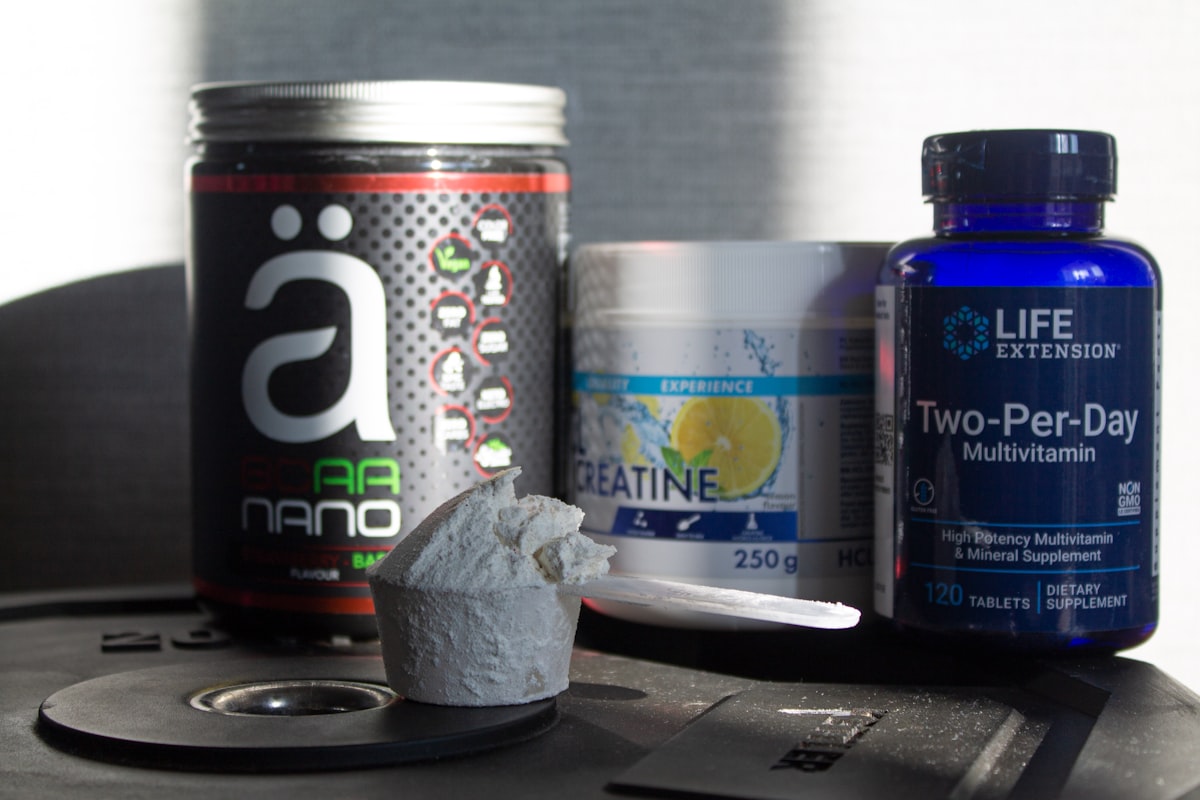
No. While targeted supplementation can help, our philosophy prioritizes whole foods first. We guide you on cost-effective approaches and which supplements are truly worth your investment based on your individual needs.
How quickly will I see results?
Individual timelines vary, but most members report improved energy within 2-3 weeks and visible body composition changes within 6-8 weeks of consistent implementation. Patience and consistency yield the best long-term results.
Can I use these strategies if I have dietary restrictions?
Yes. Our meal planning guides include vegetarian, vegan, gluten-free, and various other adaptations. We focus on meeting your nutritional needs within your constraints, not restricting your lifestyle choices.
Ready to Transform Your Health?
Join thousands of men who've taken control of their nutrition and reclaimed their vitality. Your journey starts today.
No credit card required. Access instant resources and community support.